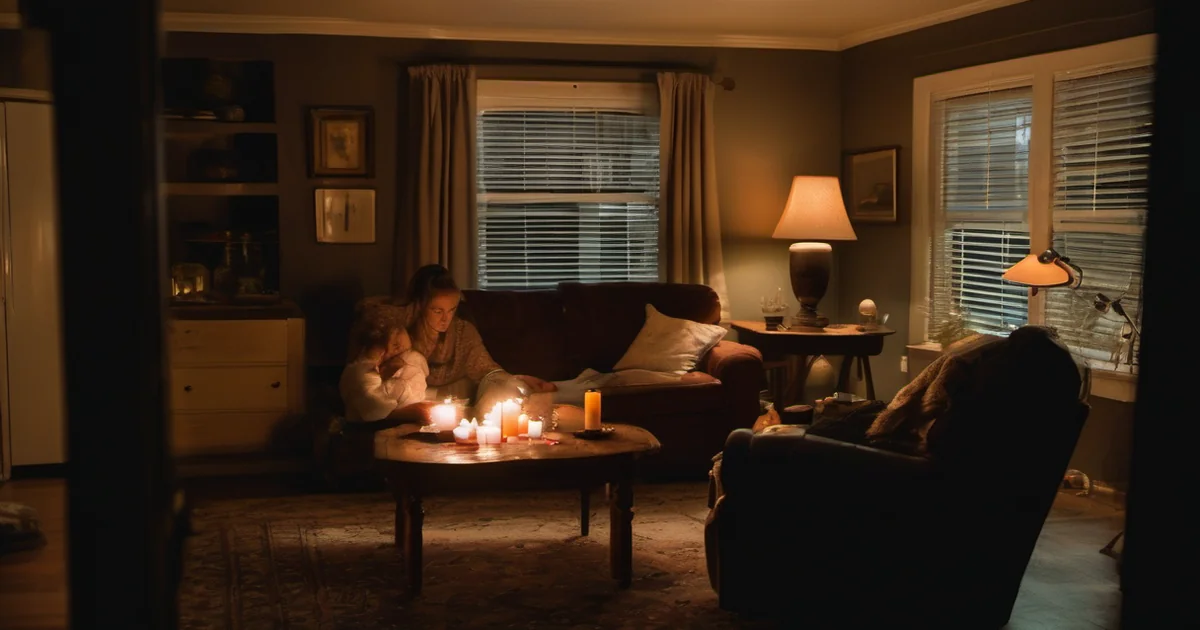
Prepare for a blackout
August 14, 2003: the largest blackout in North American history left 50 million people without power across Ontario and 8 US states. Toronto was dark for up to 30 hours. Hospitals ran on generators; traffic lights failed; subways stopped mid-tunnel; ATMs and grocery POS terminals were dead. Most people had food for 1-2 meals at most. The 1989 Quebec blackout (geomagnetic storm) and the 2024 Calgary cold snap blackouts show grids remain vulnerable.
Households that came through 2003 best had three things: a battery-powered AM radio, at least 4 L of water per person (Toronto pumps depend on grid power), and cash in small bills. Public Safety Canada and PreparedBC recommend 72-hour autonomy minimum, but realistically aim for 7-day capability — major blackouts cascade into water and supply chain issues fast.
How to prepare for a power outage
Water: if you're on city water in a high-rise, the building pump dies with the grid — you have what's in the tank above your floor. Store 4 L per person per day minimum (Public Safety Canada). Fill bathtub when blackout warning is issued.
Heat without power (winter critical): propane or kerosene heater with CO detector is the only safe indoor option. NEVER use BBQ, generator or charcoal indoors — CO killed several Ontarians during 1998 ice storm. Layer clothing, close off rooms, sleep in one insulated space.
Communication: hand-crank or battery AM/FM radio is essential — cell towers run on battery for 2-8 h then die. Battery-powered phone charger or large powerbank (20,000+ mAh) for one device. Inform family by SMS when blackout starts (still works while towers have battery).